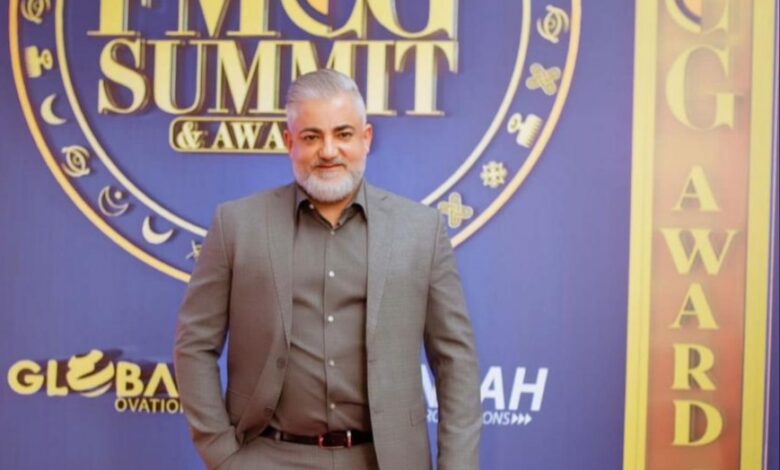
The saying that “A golden fish has no hiding place” was reenacted again after Ghandour Cosmetics Limited’s sales manager, Jihami Ali Ahmad, was conferred with the National FMCG Star of the Year Award in the Beauty and Hair Care Category, at the 2023 National FMCG Summit and Awards at the Accra International Conference Centre.
Ghandour Cosmetics is undoubtedly Ghana’s leading local cosmetics manufacturing company. The company has been catering to the beauty care needs of families for over 25 years and boasts as a creator of job opportunities in the country, serving millions of consumers in 15 countries African nations. It has 17 brands and has supported over 10,000 Ghanaians through Corporate Social Responsibility (CSR) initiatives.
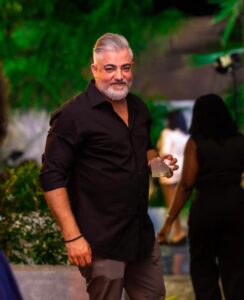
Ghandour Cosmetics Limited also won the Best Hair Care Product of the Year Award for their creation, BO-16. In 2022, when the award was held for the first time, Jihami Ali received the coveted Marketing Icon of the Year Award for the same category.
Jihami Ali is an overwhelming force in sales and marketing, possessing over 20 years of experience in the GMCG sector, most especially as it pertains beauty and personal care industry. Out of deep passion for his craft and versatility in the marketing spectrum, he has in no small measure contributed to the successes of household brands such as Princess and BO-16. His vast knowledge in products, consumer behaviour, market penetration, marketing campaigns and strategies have been invaluable to his successful career.
Most importantly, Ahmad Ali Jihami is an advocate and enforcer of (CSR) initiatives. He has and continues to champion support for underprivileged children, destitute, women empowerment and support for beauty professionals through Ghandour Cosmetics Limited. Generally, his impactful leadership generates ripple effects across sectors in Ghana. Some of the CSR initiatives include donations and visitations to orphanages, environmental clean ups, far-reaching health programmes, fight against cancer and taking a front seat in the support for beauty pageants.

The recognition earned by Jihami Ali at the annual National FMCG Summit and Awards is instructive, as it aims to celebrate more than 30 brands and individuals in various categories, for their deliberate and consistent contributions to the industry, regularly reinventing themselves and thriving in the ever-challenging and competitive market through innovation and foresight.
“I extend my heartfelt appreciation to the event organizers as well as our loyal customers and partners who have supported us on this incredible journey. This award serves as a motivation to continue pushing boundaries, innovating, and delivering high-quality beauty and hair care solutions that meet the evolving needs of our customers. We remain committed to raising the bar and setting new industry standards,” Jihami Ali said while expressing gratitude for the award.